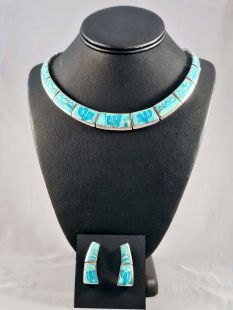
Native American Jewelry
Kachina House carries Native American jewelry handmade by Hopi, Navajo, Zuni, Santo Domingo, Lakota Sioux, Apache, and Cherokee artists, the largest selection of its kind in Arizona. The collection spans Sterling silver metalwork, turquoise inlay, beadwork, and shell and copper traditions across every jewelry type.
Native American jewelry is divided into two primary traditions: metalwork and beadwork. Silversmithing came to the Southwest in the mid-1800s when Navajo artists learned the craft from Mexican silversmiths and developed it into their own distinct form. Beadwork is older, rooted in the grinding of shell and stone and the stitching of seed beads into patterns that carry cultural meaning specific to each tribe.
Each tribe developed its own approach, and those differences are visible in the work today. Navajo jewelry is known for heavier silver forms and bold turquoise settings. Hopi overlay rarely uses stones, relying on the contrast between oxidized and polished silver layers. Zuni work features intricate multistone inlay including needlepoint, channel inlay, and petit point. Santo Domingo artists work in shell, jet, and turquoise mosaic. Lakota Sioux and Apache traditions lean toward beadwork and copper, distinct from the silversmithing traditions of the Southwest. For a closer look at how each tradition developed, our blog covers history and techniques behind the major styles.
Jewelry Types at Kachina House
-
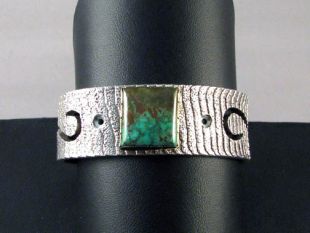
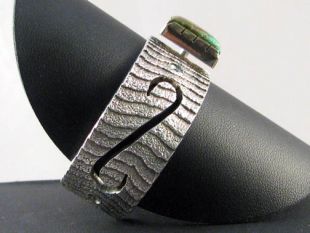
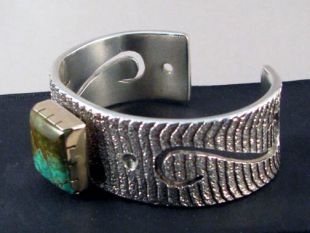
Bracelets: Cuff and bangle styles in Navajo, Hopi, and Zuni silverwork, with and without stone settings.
-
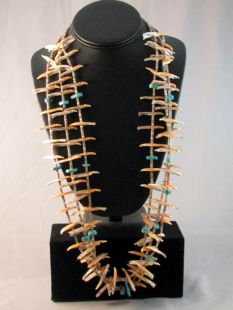
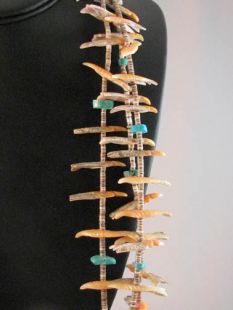
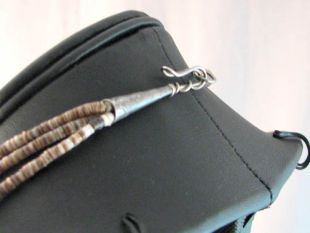
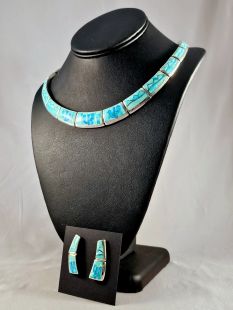
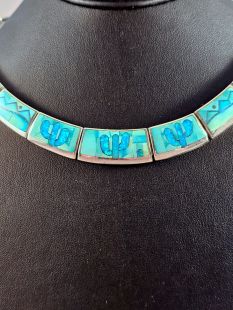
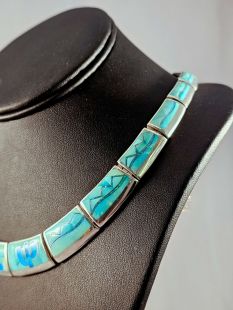
Necklaces: Squash blossom, heishi, beaded, and pendant styles across multiple tribal traditions.
-
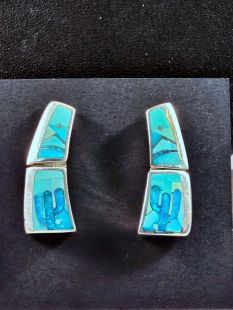
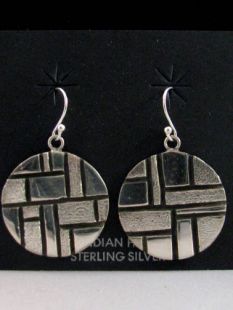
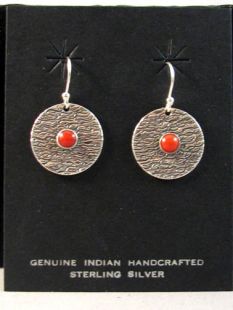
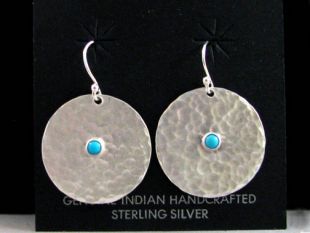
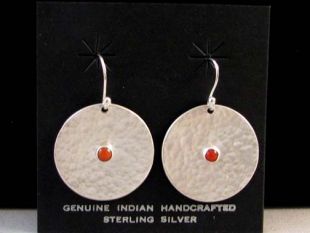
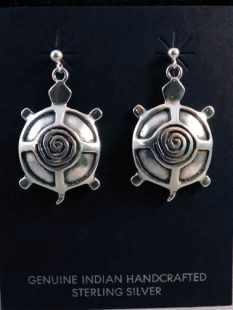
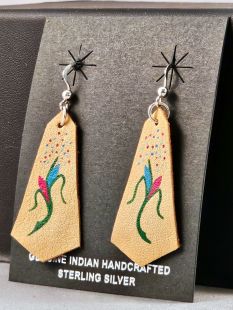
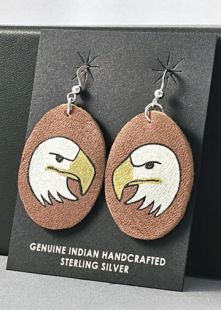
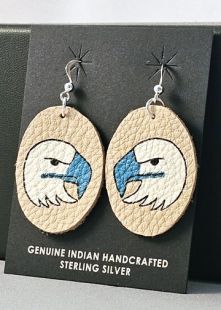
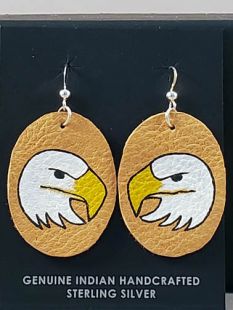
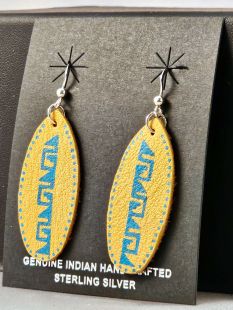
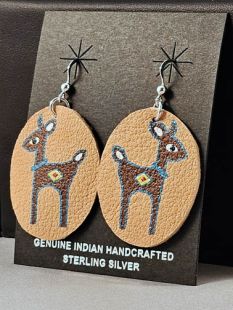
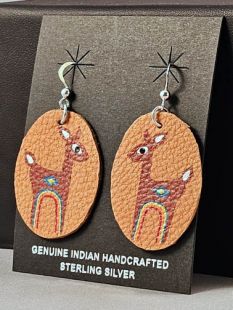
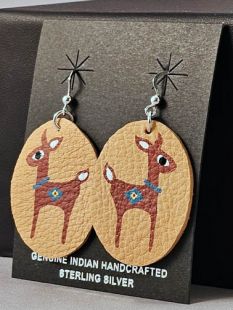
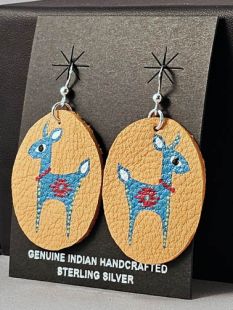
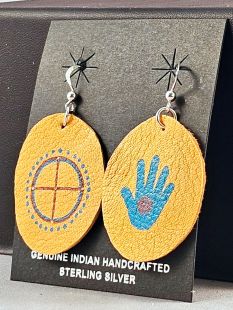
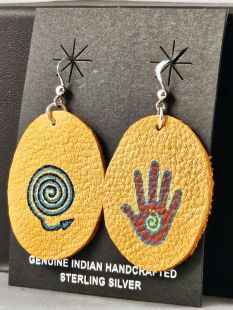
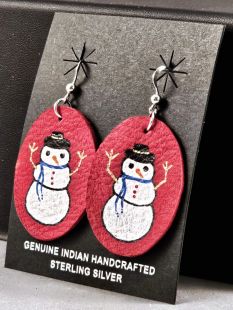
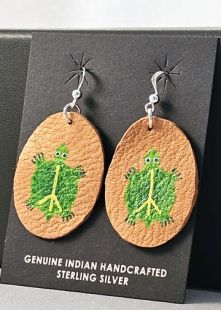
Earrings: Studs, drops, and chandelier styles in silver, turquoise, coral, lapis, and spiny oyster.
-
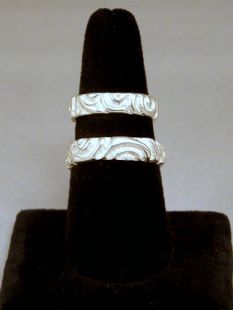
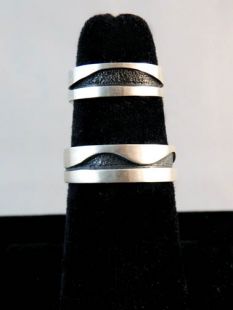
Rings: Navajo, Hopi and Zuni silverwork in adjustable and sized bands, with and without stone settings.
-
Pendants and pins: Overlay, inlay, and sand cast styles across Hopi, Navajo, and Zuni traditions.
-
Bolos: A Southwestern tradition in Navajo and Zuni silverwork, often set with turquoise or inlay.
Common Questions
- What is Native American jewelry made from?
The most common materials are Sterling silver, turquoise, coral, lapis lazuli, spiny oyster shell, and onyx. Beadwork traditions use glass, shell, and natural stone. Material choice varies by tribe and tradition. - What is the difference between Navajo, Hopi, and Zuni jewelry?
Navajo jewelry incorporates heavier silver often with bold single-stone settings, typically turquoise or coral. Hopi overlay uses two layers of silver with no stones, relying on oxidized contrast for pattern. Zuni jewelry features precise multistone inlay with more stone visible than silver. - What is Native American turquoise jewelry?
For the Native Americans, turquoise is the connection to the sky and water, it is believed to be a powerful spiritual stone. Turquoise has been used in Native American jewelry for centuries, particularly in the Southwest. Navajo, Zuni, and Santo Domingo artists all work with turquoise, each in distinct ways. The stone's color, origin, and treatment affect its value. Natural untreated turquoise is the most prized. - How do I know if Native American jewelry is authentic?
Authentic pieces are made by enrolled members of federally recognized tribes. The Indian Arts and Crafts Act prohibits selling imitation work as authentic. At Kachina House, we strive to source directly from Native artists and identify any vintage pieces by tribal origin.
Kachina House is the largest distributor of Native American arts and crafts in Arizona. If you have questions, we urge you to call us toll free at 800-304-3290 or drop us an email.